
Pick the relationship and age to see a typical amount instantly.
Steps 2 to 4 cover the envelope, from choosing it to handing it over.
Based on Japanese New Year customs - may differ elsewhere.
Step 1: Check a typical amount
Typical otoshidama amount
1,000-3,000 yen
These amounts are general guidelines only. What is appropriate varies by region, household custom and family agreements. When in doubt, agree on a matching amount with siblings or relatives.
Step 2: Prepare the pochibukuro
Otoshidama is given in a pochibukuro (small New Year envelope). Handing over a bare bill is considered informal. Even in a pinch, wrapping the money in a tissue or folded paper is the courteous minimum.
- Design: zodiac and lucky-charm patterns are classic; a child's favourite character delights younger kids.
- Have spares: keep a few more envelopes than the number of children, for unexpected meetings.
- To a senior's child: giving cash to the child of a superior can be seen as impolite. A book gift card is a safe alternative.
Step 3: Write the names on the envelope
Write the recipient's name on the front, upper left ("To [name]"), and your own name on the back, lower left. This makes it clear later who each gift came from, which helps parents keep track.
See it: where the names go
Step 4: Fold the bill and insert it
How to fold
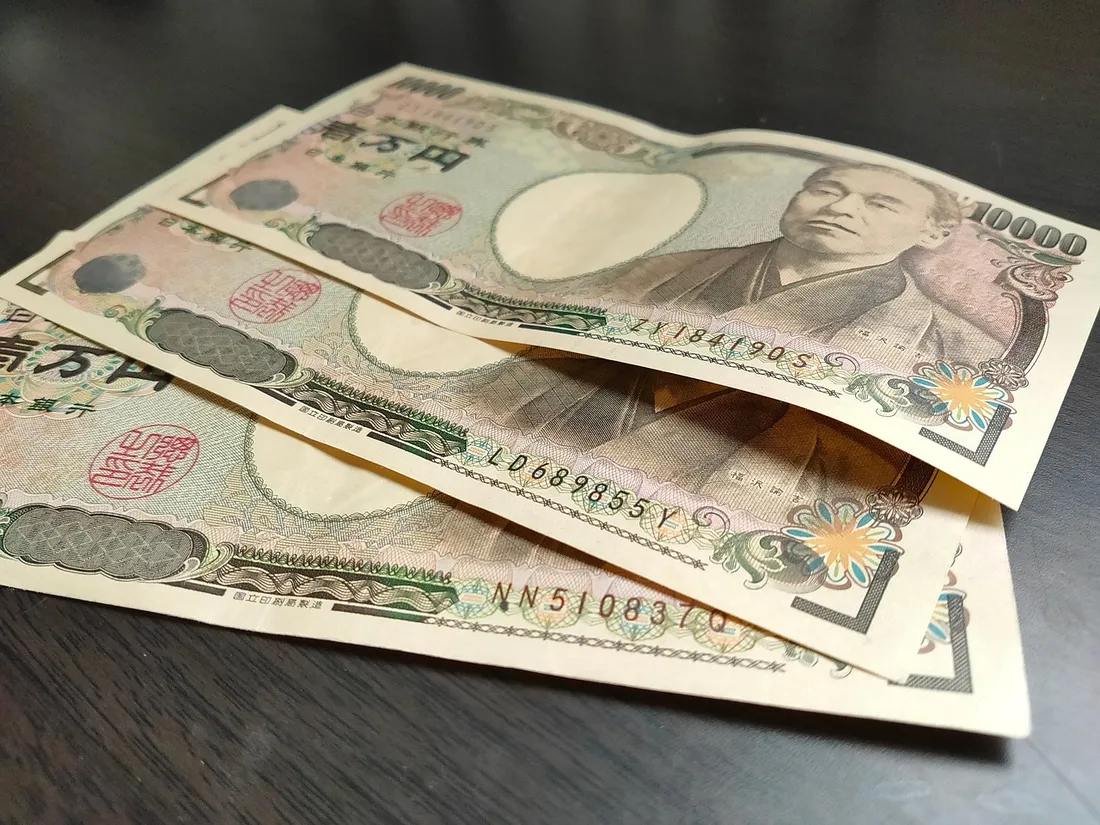
- Fold in thirds with the portrait side inward, folding the left side first.
- Insert so that, when unfolded, the portrait faces the front, upright.
- Avoid folding into quarters, as "four" evokes death.
Money etiquette
- A crisp new bill is more polite. Bank counters and exchange machines get crowded at year-end, so go early.
- Avoid amounts with 4 and 9 (they evoke death and suffering): no 400, 900 or 4,000 yen.
- For coins, insert them with the design (kanji-numeral) side facing front.
A word when you give it
Otoshidama traces back to sharing "toshidama," the rice cake in which the year deity's power was said to dwell. Add a few words as you hand it over, such as "Happy New Year, stay well this year," and give it in front of the child's parents for good manners. If the family is in mourning, some give it as "pocket money" in a plain envelope rather than as "otoshidama."
PR — This page contains promotional content
Frequently asked questions
When is otoshidama given?
Usually when you meet from New Year's Day through the new-year period (January 7, or 15 in Kansai). Giving it later, when you happen to meet, is fine too.
Until what age do you give otoshidama?
It varies: "through high school," "through university," or "until they start working." Agreeing on an end point with relatives spares everyone awkwardness.
Do babies get otoshidama too?
At 0-2 the concept of money means little, so many give 500-1,000 yen to the parents, or a picture book or toy instead.
Does the bill have to be new?
Not required, but a crisp new bill makes a better impression. If you cannot get one, choosing a clean bill is not impolite.
What about otoshidama when the family is in mourning?
Giving it is generally acceptable, but if it feels awkward, use a plain envelope and present it as "pocket money" rather than "otoshidama."
Why avoid 4,000 or 9,000 yen?
"Four" evokes death and "nine" suffering, both considered unlucky numbers. Choose round amounts like 3,000 or 5,000 yen.